
Birding in Queen Elizabeth National Park
Discover exceptional birdwatching in Queen Elizabeth National Park, home to over 600 bird species, from colourful kingfishers and majestic African fish eagles to the iconic shoebill in nearby wetlands.
The Encounter
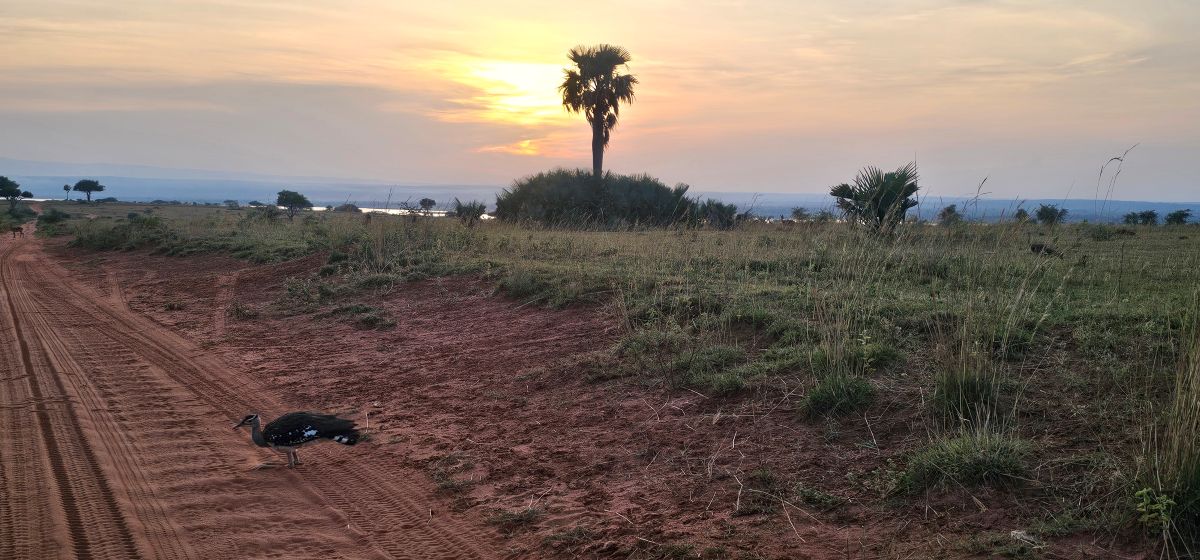
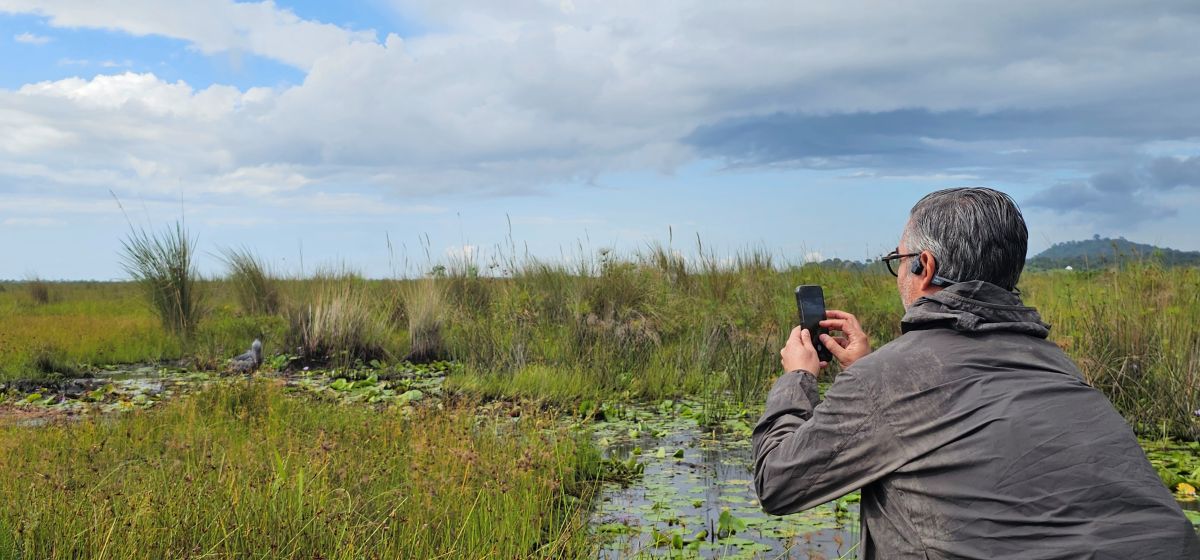
Discover the extraordinary birdlife of Queen Elizabeth National Park, one of Uganda's most rewarding birdwatching destinations, where diverse habitats support an impressive variety of resident and migratory birds. From open savannah and acacia woodland to crater lakes, papyrus swamps and the wildlife-rich Kazinga Channel, the park offers a remarkable opportunity to explore the country's avian diversity against a backdrop of spectacular landscapes. Your birdwatching adventure begins as you enter this diverse ecosystem with an experienced safari guide or specialist bird guide. Whether travelling through the grasslands on a game drive, exploring the shores of the Kazinga Channel or walking along designated trails, each habitat presents a different collection of species, calls and behaviours to discover. As the morning light spreads across the savannah, listen for birds calling from the acacia trees and scan the grasslands for species perched on exposed branches or feeding among the vegetation. African grey hornbills, crowned lapwings, weavers, shrikes and other savannah birds may be encountered, while larger species such as the African fish eagle can often be recognised by its distinctive call and striking plumage. The experience becomes particularly rewarding around the Kazinga Channel, where the water attracts an abundance of birdlife. From the comfort of a boat, watch pied kingfishers hovering before diving for fish, malachite kingfishers flashing brilliant colours along the banks, and African darters and cormorants drying their wings after fishing. Pink-backed pelicans may gather in groups, while herons, egrets and other wading birds search the shallows for food. Along the channel's muddy banks, bird activity unfolds alongside some of the park's most impressive wildlife. Hippos surface in the water, buffaloes gather near the shoreline and elephants may approach to drink, creating wonderful opportunities to photograph birds within a broader wildlife setting. For birdwatchers, the channel offers a combination of accessible viewing, diverse species and excellent photographic possibilities. Away from the main waterway, the park's wetlands and papyrus-fringed habitats offer a different dimension to the experience. The Mabamba wetlands near Lake Victoria are particularly famous for shoebill sightings, although they are outside Queen Elizabeth National Park and are best arranged as a separate excursion when included in a wider Uganda itinerary. Within the Queen Elizabeth ecosystem, wetland margins and crater lakes provide opportunities to look for waterbirds, including jacanas, herons, egrets and other species adapted to aquatic habitats. The park's varied environments also support woodland and forest-edge birds. Around the Maramagambo Forest and other wooded areas, your guide may help you identify forest-associated species through their calls, feeding habits and distinctive markings. For keen birders, these habitats add depth to the experience, extending the search beyond the more conspicuous waterbirds and savannah species. Throughout the excursion, your guide helps interpret bird behaviour, distinguish similar species and explain the ecological roles birds play in the wider landscape. You may learn how raptors hunt, how waterbirds exploit seasonal food sources and how migratory species use Uganda's wetlands and grasslands during different periods of the year. Birdwatching in Queen Elizabeth National Park is rewarding for both beginners and experienced enthusiasts. Casual travellers can enjoy the colour, movement and calls of the birds encountered along the route, while dedicated birders can focus on identifying species, recording sightings and photographing unusual behaviours. Every outing is different, shaped by the season, weather, habitat and time spent in the field. Detailed birdwatching itinerary 1. Early-morning savannah birding Begin with a drive through open grasslands and acacia woodland as the park comes alive. Scan trees, fence posts and open ground for hornbills, lapwings, weavers, shrikes and birds of prey. Early morning is particularly pleasant for listening to calls and observing active birds. 2. Kazinga Channel boat birdwatching Board a boat for a closer look at the channel's aquatic birdlife. Search the banks for kingfishers, fish eagles, pelicans, cormorants, darters, herons and egrets, while enjoying the surrounding scenery and wildlife. 3. Wetland and crater-lake exploration Explore suitable wetland margins and crater-lake viewpoints, where waterbirds gather to feed and rest. Your guide helps identify species by their calls, flight patterns, colours and feeding behaviour. 4. Woodland and forest-edge birding Where time and access permit, explore wooded habitats and forest edges for species that favour denser vegetation. Move slowly and listen carefully, as some forest birds are easier to detect by sound than by sight. 5. Final sightings and species review Conclude by reviewing the birds recorded during the excursion, comparing photographs and discussing interesting sightings with your guide. Depending on the route, you can continue with a wildlife game drive or return to your lodge. What travellers may encounter Raptors: African fish eagles, bateleurs and other birds of prey, depending on location and conditions. Waterbirds: Pelicans, herons, egrets, cormorants, darters and jacanas. Kingfishers: Pied kingfishers and malachite kingfishers around waterways. Savannah birds: Hornbills, weavers, lapwings, shrikes and other grassland species. Forest-associated birds: A range of species inhabiting wooded areas and forest edges. Seasonal migrants: Additional species may be present during migration periods. Bird photography: Opportunities to capture birds feeding, fishing, flying and interacting with their habitats. Queen Elizabeth National Park is widely recognised for its exceptionally rich birdlife, with published checklists reporting more than 600 species. Actual sightings depend on the habitat visited, season, weather and the time available. Terrain and physical demands Savannah and woodland: Mostly vehicle-based birdwatching along park tracks, with occasional stops at suitable viewing points. Wetlands and waterways: Boat-based viewing is available on the Kazinga Channel, while some other wetland sites require short walks. Physical level: Easy to moderate, depending on the route and whether walking is included. Specialist birding outings can involve longer periods outdoors and patient observation. Practical information Location: Queen Elizabeth National Park, western Uganda. Best time of day: Early morning is often rewarding for bird activity; boat cruises and afternoon excursions provide additional opportunities. Duration: Approximately 2–4 hours for a focused outing, or a full day for dedicated birdwatching across several habitats. Recommended equipment: Binoculars, a camera with a zoom lens, a bird field guide or identification app, a hat, sunscreen, drinking water and a light rain jacket. Guide: A specialist bird guide is recommended for travellers seeking detailed identification or a targeted species list. Seasonality: Resident birds can be observed year-round, while the presence of migratory species varies by season. The JM Jungle Safaris experience Birdwatching in Queen Elizabeth National Park reveals a quieter, richly detailed side of Uganda's wilderness. From the calls of fish eagles above the Kazinga Channel to colourful kingfishers along the water and distinctive birds across the savannah, each excursion brings new discoveries. JM Jungle Safaris can tailor the experience to casual nature lovers, wildlife photographers and dedicated birders, combining exceptional birdlife with the park's landscapes and broader safari adventures.
Included In This Experience
Visual Field Notes
Trek Specifications
Expeditions Featuring This Experience
2 DAYS Murchison Falls National Park
Your 2-day Murchison Falls National Park adventure with JM Jungle Safaris combines exciting game drives across wildlife-rich savannahs, a scenic boat cruise along the Nile, and breathtaking views of the mighty Murchison Falls for an unforgettable taste of Uganda’s wilderness.
3 Days Gorilla Fly in Tour
Your 3-day flying gorilla safari with JM Jungle Safaris takes you from Entebbe to Bwindi Impenetrable National Park by scenic flight, where you’ll enjoy breathtaking forest landscapes, an unforgettable mountain gorilla trekking experience, and a relaxing wilderness retreat before flying back to Entebbe.
5 Days Gorillas and Chimpanzee Trekking Safari
Discover Uganda’s extraordinary primate world on a 5-day safari with JM Jungle Safaris, combining thrilling chimpanzee tracking in Kibale Forest with an unforgettable mountain gorilla trekking experience in Bwindi Impenetrable National Park, surrounded by breathtaking landscapes and rich biodiversity.
9-Day Mount Kenya & Samburu Wilderness Safari
Traverse the finest wildlife frontiers of Kenya on this 9-day luxury safari. Begin with scenic highland views beneath Mount Kenya, journey north to the rugged wilderness of Samburu to encounter the rare Special Five, and culminate on the sweeping golden plains of the Masai Mara for world-class big cat tracking and safari game drives.
10-Day Midrange Gorillas and Wildlife Safari
Embark on an unforgettable 10-day journey through Uganda, combining extraordinary wildlife encounters, breathtaking landscapes, and meaningful cultural experiences. From the tranquil shores of Lake Victoria, travel into the heart of the wilderness to explore Lake Mburo, Queen Elizabeth, and Bwindi Impenetrable National Parks. Enjoy exciting game drives across open savannahs, scenic boat cruises along wildlife-rich waterways, and opportunities to spot elephants, lions, buffaloes, giraffes, zebras, hippos, and numerous bird species. The highlight of your adventure awaits in Bwindi, where you will venture into the ancient rainforest for a once-in-a-lifetime encounter with endangered mountain gorillas in their natural habitat. Complement your wildlife adventures with authentic cultural interactions, beautiful countryside scenery, and comfortable midrange accommodation carefully selected to enhance your experience. With expert guiding and personalised service from JM Jungle Safaris, this journey offers the perfect balance of adventure, relaxation, and discovery in the Pearl of Africa.
14 DAYS magic of UGANDA Safari
Embark on a spectacular 14-day journey through Uganda, the Pearl of Africa, exploring its diverse landscapes, rich cultures and extraordinary wildlife. From the shores of Lake Victoria and the powerful Nile to the savannahs of Murchison Falls and Queen Elizabeth National Parks, continue into the ancient forests of Kibale and Bwindi for unforgettable chimpanzee and gorilla encounters. Cruise the Kazinga Channel, discover crater lakes and mountain scenery, meet local communities, and experience Uganda's remarkable wilderness at an unhurried pace—creating a safari filled with adventure, connection and lasting memories.